Swatch card No. SW-6974 · cut October 13, 2026
Sustainability & ComplianceMill spec card
Apparel Institute Report Spotlights Working Supply-Chain Decarbonisation
The Apparel Institute's latest report profiles brands and manufacturers that have delivered real supply-chain emission cuts, offering sourcing teams named precedents over pledges.
- Fiber
- Sustainability & Compliance
- Count
- 2 min read
- Cut
- Weight
- 390 words
Spec notes
- The Apparel Institute has released a report on apparel supply-chain decarbonisation.
- The report profiles named brands and manufacturers that have demonstrably lowered supply-chain emissions.
- Coverage was published by Just Style, which highlighted the report's demonstration of practical emission reductions.
- The report presents measured supplier-level decarbonisation cases rather than new targets or commitments.
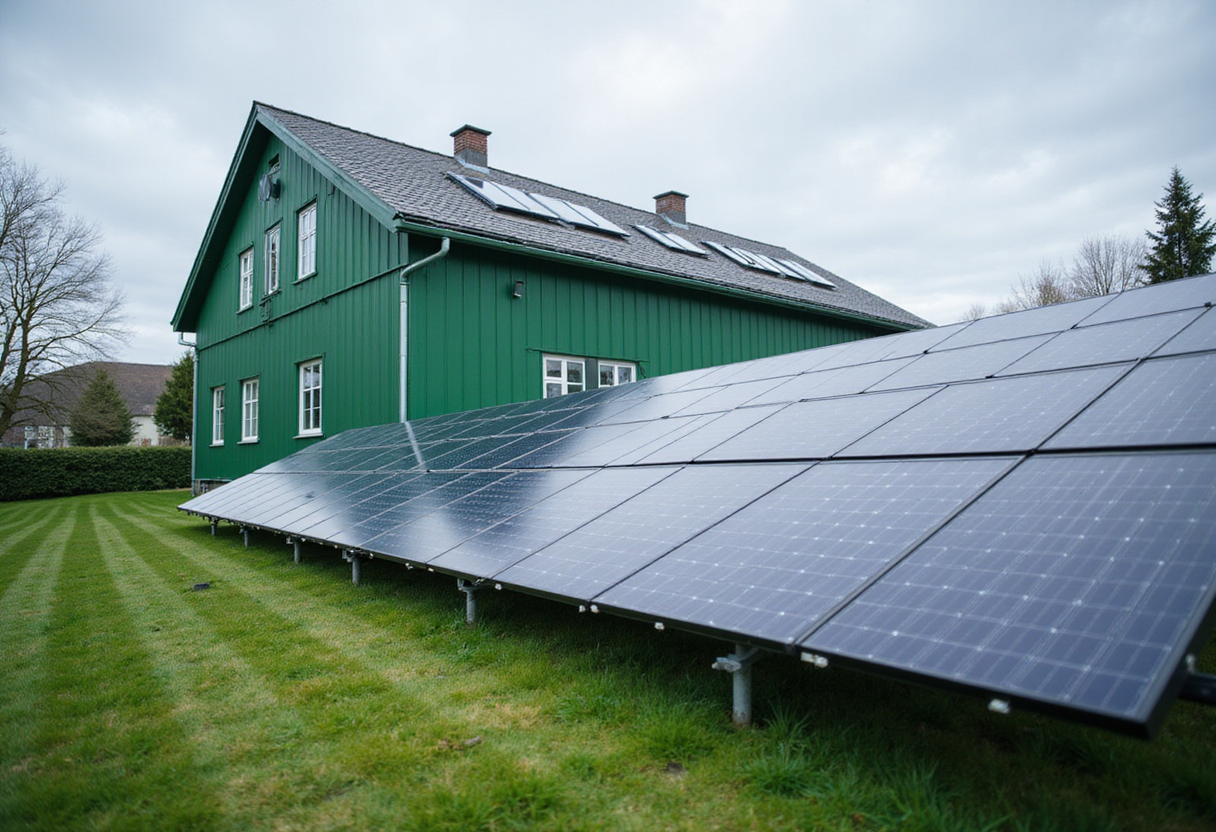
The Apparel Institute has published its latest report, a survey of brands and manufacturers that have moved beyond decarbonisation pledges and started lowering supply-chain emissions in practice.
The report, highlighted by trade outlet Just Style, does not present a new target or a new alliance. It presents evidence. The selected companies — named brands and named factories — are offered as demonstrations that emission reductions in apparel production are operationally achievable rather than aspirational.
What does the report actually contain?
The document is built around cases. Each profiled company shows measurable movement on supply-chain emissions, the scope that covers tier-one mills and finished-goods factories and, more problematically, the tiers above them where most of apparel's carbon footprint sits.
For sourcing and sustainability teams, the interest is not in the framing but in the specifics the report makes available:
- which manufacturers have delivered reductions, and at what production volumes;
- which brands have translated supplier data into procurement decisions;
- what the reductions cost, and who absorbed that cost.
The report positions these companies as a working answer to a question the sector has asked for a decade: can apparel decarbonisation be done at commercial scale, or only announced?
Why this lands now
Apparel's supply chain accounts for the overwhelming majority of the industry's emissions, yet most public reporting still measures commitments rather than tonnes. A catalogue of functioning examples shifts the burden of proof. Brands that claim reduction is too expensive or too slow now face named peers showing otherwise.
For sourcing executives, the practical value is benchmarking. If a comparable brand has cut emissions across a comparable supplier base, the internal conversation about cost and lead time changes from whether to how.
The report also functions as a signal to suppliers. Manufacturers profiled as decarbonisation leaders gain a commercial argument with brand customers; those absent from the list face a quieter but real competitive question.
What to watch
The report's claims deserve the usual scrutiny: measured results versus marketing framing, verification methods behind each figure, and whether reductions survived volume growth. Just Style's coverage indicates the Apparel Institute intends the report as a demonstration, not a ranking.
Expect follow-up editions to test whether the profiled cohort expanded or merely repeated. For now, the sector has a documented set of precedents, and fewer excuses.
via Just Style (Source)
More from Tom Whitfield
Show full bio
Market editor covering regulation, policy and their impact on fashion industry as a trade and business at The Fabric Brief.
199 articles
Also on the board
- Apparel Sector Falling Short on Decarbonization Pace, Report Finds
- Fashion Scope 3 Emissions Rose 7.5% in a Year, EY-H&M Paper Argues
- EY Trains Focus on Finance Gap in Fashion Supply Chain Decarbonization
- Experts Map the Business Case for Decarbonisation Investment
- Climate Performance Moves From Cost Item to Competitive Edge in Apparel