Swatch card No. SW-8133 · cut October 18, 2026
Trade & TariffsMill spec card
Bangladesh Locks 20% US Garment Tariff, Easing Sourcing Uncertainty
Bangladesh garment exporters secured a 20% US import tariff on apparel, ending weeks of uncertainty over reciprocal duties and preserving the country's cost edge on high-volume basics.
- Fiber
- Trade & Tariffs
- Count
- 3 min read
- Cut
- Weight
- 559 words
Spec notes
- Bangladesh garment exporters secured a 20% US import tariff on apparel, per Reuters.
- Exporters expressed relief at the finalized rate after weeks of trade-policy uncertainty.
- Garments anchor Bangladesh's merchandise export base, making the duty level pivotal to landed cost on every shipment.
- The duty applies at the US port of entry and accrues to the importer of record, which is usually the buying brand or its freight forwarder.
- The 20% rate preserves Bangladesh's structural labor-cost advantage over competing apparel origins.
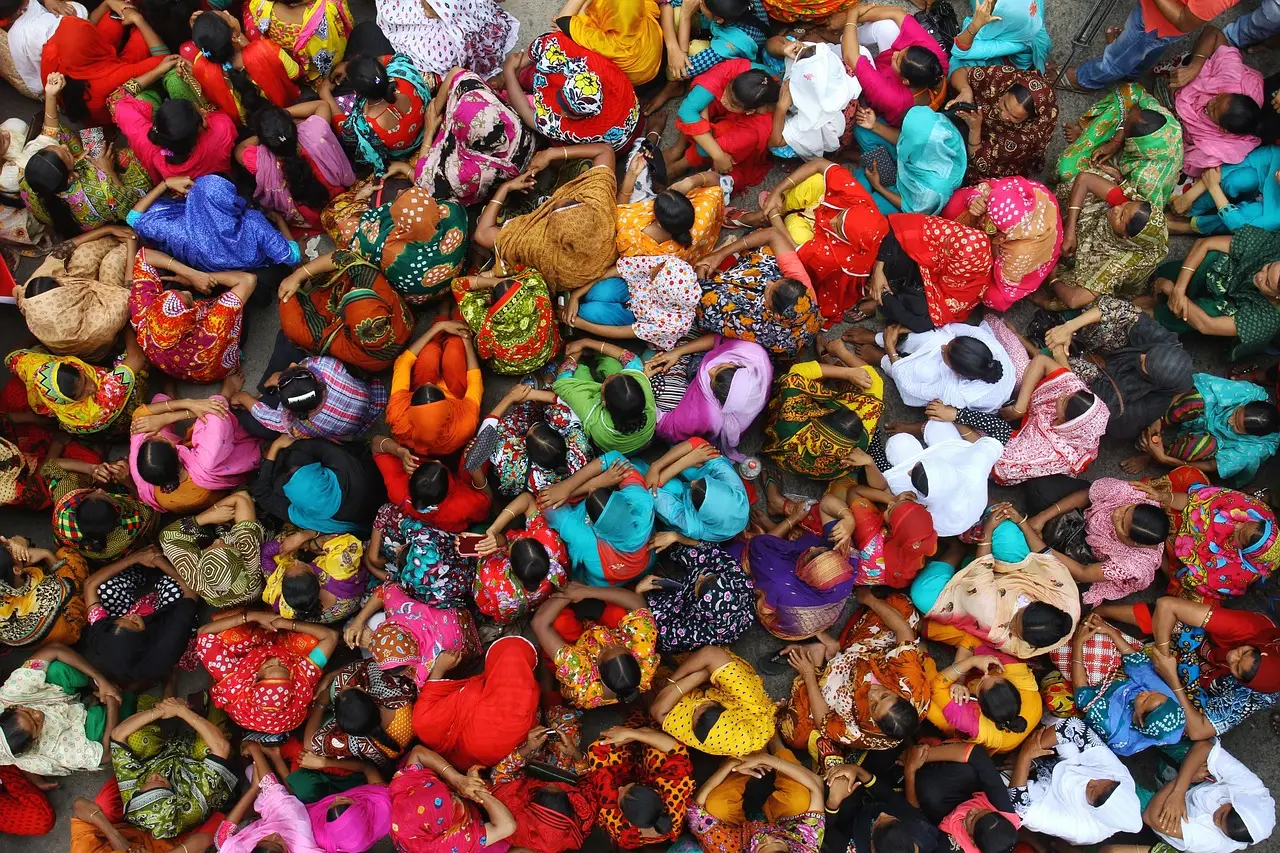
Bangladesh garment exporters secured a 20% US import tariff on apparel, ending weeks of uncertainty that had threatened to redraw landed-cost calculations for brands sourcing from South Asia. Reuters carried the headline rate, framing the outcome as a relief for manufacturers who had prepared for duties steep enough to dismantle the country's pricing advantage on high-volume apparel.
The single figure anchors every sourcing decision now under review. A 20% duty, while material to margin, lands inside the corridor most Bangladesh suppliers and their Western buyers had modeled as workable during the months of trade-policy ambiguity. Garments anchor the country's merchandise export base, and the duty level directly determines the spread between factory FOB and US landed cost on every shipment.
What does the rate do to landed cost?
Tariff pass-through sits at the core of every sourcing decision tied to the announcement. The duty applies at the US port of entry and accrues to the importer of record, which in most apparel transactions is the buying brand or its nominated freight forwarder. How the duty splits between vendor and buyer will dictate whether the figure translates into renegotiated FOBs, revised open-cost lines on purchase orders, or absorbed margin at the factory gate. Bangladesh manufacturers, working on tight unit economics and competing on price against a wide field of low-cost origins, will press buyers to share the burden. Retailers and brands will weigh the cost against the lead-time penalty of shifting volume mid-season and the compliance overhead of onboarding alternate factories under existing social-audit programs.
Why did exporters frame the rate as a relief?
The exporters' relief, as Reuters framed it, signals that the finalized rate falls inside the band most factories and their US buyers had treated as survivable. A higher duty would have eroded the structural labor-cost advantage Bangladesh holds over competing origins and would have triggered immediate order migration to alternative apparel hubs. The 20% outcome preserves the cost calculus that has made the country a default origin for high-volume basics across US mass and value channels.
How does the rate reshape the sourcing map?
For sourcing strategists, the announcement narrows the cost gap between Bangladesh and competing Asian and African origins that had widened or compressed depending on monthly trade-policy speculation. Brands running dual-sourcing models across Bangladesh and Vietnam, or Bangladesh and India, can now model stable unit economics through at least one full sourcing cycle. Vendors in higher-tariff origins face renewed pressure on price, capacity reservation and lead-time guarantees as buyers revisit the long-term country split.
What changes for compliance and capacity planning?
For compliance officers, the announcement removes the scenario-planning burden that had stalled capital investment across the supplier base. Factory expansion, vertical-integration projects and worker-welfare upgrades that mills and cutting-sewing facilities had paused during the uncertainty now sit inside a defined cost framework against which finance teams can underwrite. Lead times, dependent on yarn and fabric flows from regional fiber producers, should hold absent further trade-policy shifts.
The forward question for sourcing teams is whether the 20% rate freezes Bangladesh's share of US apparel imports at its current level through the next sourcing cycle, or whether brands accelerate diversification plans that the uncertainty had merely paused rather than cancelled.
via Google News: Apparel & textile tariffs (Source)
More from Elena Vasquez
Show full bio
News editor covering money, funding and market shifts around fashion industry as a trade and business at The Fabric Brief.
246 articles
Also on the board
- US Cuts Bangladesh Tariffs to 19% in Trade Deal
- US Hits Bangladesh Apparel Exports With 10% Section 301 Tariff
- Bangladesh Secures Lower US Tariffs and Exemptions on Clothing
- US-Bangladesh Textile Pact: Zero-Tariff Promise Meets Supply Chain Reality
- India Faces 10% US Tariff Gap Despite $520 Million Input Trade