Swatch card No. SW-8533 · cut October 18, 2026
Trade & TariffsMill spec card
Haitian Garment Sector Faces New Tariff Pressure From US Trade Policy
Haiti's textile sector faces fresh pressure from Trump's tariff regime, per The Haitian Times, with garment manufacturing identified as bearing immediate commercial cost. Specific duty rates remain to be quantified.
- Fiber
- Trade & Tariffs
- Count
- 3 min read
- Cut
- Weight
- 535 words
Spec notes
- The Haitian Times has reported that President Donald Trump's tariff regime places Haiti's textile sector under fresh pressure, citing export-oriented garment manufacturing as bearing immediate commercial cost.
- Industry framing has long identified garment manufacturing as a structural employer in Haiti, with the bulk of output historically bound for the United States under regional trade preference arrangements.
- Specific duty rates, factory-level order cancellations, and confirmed lead-time extensions flagged as imminent in the Haitian Times headline are not yet quantified in publicly available reporting.
- US buyers with established Haitian supply chains will revisit order volume, lead-time planning, and the comparative cost case for Haitian production against competing near-shore origins.
- Margin compression for Haitian factories and the price competitiveness of apparel arriving at US ports will depend on tariff scope, duration, and any preference-eligible apparel carve-outs.
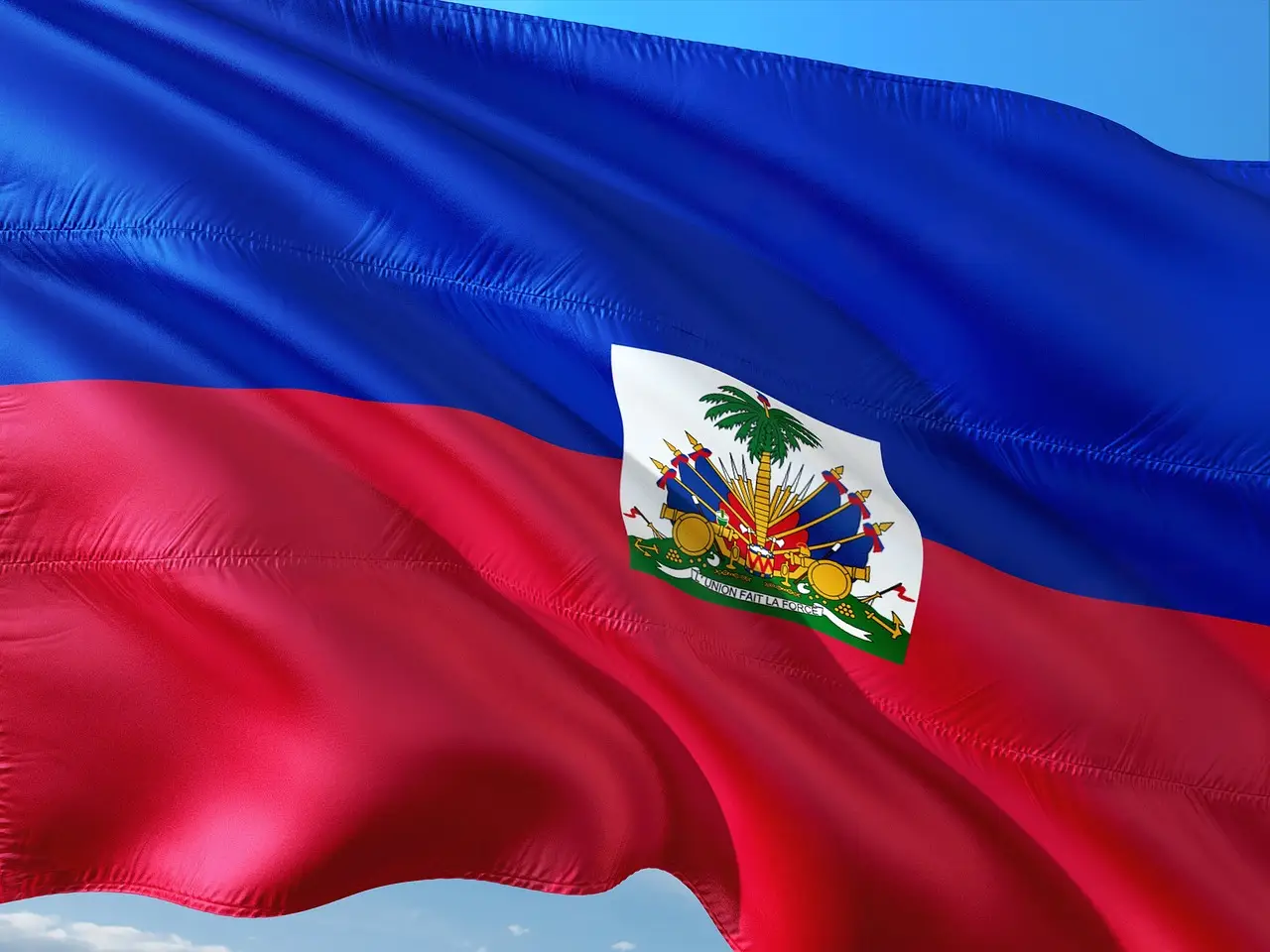
President Donald Trump's tariff regime has placed Haiti's textile sector under fresh pressure, The Haitian Times has reported, with the country's garment manufacturers cited as bearing the immediate commercial cost.
The outlet frames the duties as a direct commercial risk for one of Haiti's largest formal employers and a long-standing supplier to US apparel brands and sourcing offices. The headline piece — "Haiti's textile industry threatened by Trump's tariffs" — arrives at a moment when Caribbean Basin sourcing economics are already under close review by US buyers.
What does this change for sourcing?
For US brands and apparel buyers with established Haitian supply chains, the development reopens questions about order volume, lead-time planning, and the comparative cost case for Haitian production against competing near-shore origins. Trade preference schemes that historically cushioned Haitian apparel exports into the United States have shaped the country's role in regional sourcing maps; tariff disruption alters that arithmetic.
How exposed is the sector?
Industry framing has long held garment manufacturing as a structural employer in Haiti, with the bulk of output historically bound for the United States under regional preference arrangements. A material tariff shift compresses the margin available to the factories and the price competitiveness of the finished goods arriving at US ports.
What is confirmed, and what is still to be priced in?
Specific duty rates, factory-by-factory order cancellations, and confirmed lead-time extensions flagged as imminent in the Haitian Times headline are not yet quantified in the publicly available reporting. The piece establishes the policy direction and its sectoral target; the line-item effect on cost-per-garment, wash, and trim mix remains for the next round of corporate disclosures.
For US sourcing executives with Haitian exposure, the practical question is whether orderbooks sustained through bilateral preference can absorb an additional tariff line item. The answer will depend on tariff scope, duration, and whether any carve-outs apply to apparel classified under preference-eligible categories. Alternative Caribbean Basin or Central American capacity may also need to absorb redirected volume on the timelines a fall-season calendar demands.
The customary next step
The US apparel sector has been here before, in various forms, across tariff cycles under successive administrations. Each iteration produces the same exercise: a re-evaluation of country-of-origin cost stacks, a re-check of vendor concentration in any single jurisdiction, and a renewed conversation about whether duty savings from a trade preference outweigh the political risk of reliance on it.
The Haitian Times report places that exercise back on the desk for buyers carrying Haitian volume in their current season orders.
Confirmed so far: the trade action is in force, and Haiti's textile sector has been publicly identified as bearing the strain. To be priced in next: the line-by-line cost pass-through, the orderbook response, and the speed at which competing origins can absorb any redirected demand.
For now, the verdict is sober. A long-standing near-shore apparel origin is signaling distress, and the customary next step — a re-read of the country mix, the duty stack, and the vendor concentration table — is the one trading desks should expect to begin.
via Google News: Apparel & textile tariffs (Source)
More from Tom Whitfield
Show full bio
Market editor covering regulation, policy and their impact on fashion industry as a trade and business at The Fabric Brief.
248 articles