Swatch card No. SW-8545 · cut October 13, 2026
Trade & TariffsMill spec card
U.S., Bangladesh Cut Duties to Zero on Select Apparel Categories
U.S. and Bangladesh have agreed to eliminate import duties on a defined subset of textile and apparel goods, according to Modaes, with the specific HS codes, start date and rules of origin not yet disclosed.
- Fiber
- Trade & Tariffs
- Count
- 3 min read
- Cut
- Weight
- 518 words
Spec notes
- U.S. and Bangladesh have agreed to remove import duties on a select subset of textile and apparel goods, per Modaes.
- No official text of the agreement has been published; full product list, effective date and rules of origin remain undisclosed.
- Bangladesh is the world's second-largest apparel exporter by value, with the United States one of its two principal end markets.
- U.S. apparel MFN duties have historically run in the mid-teens by value across cotton and man-made fibre categories.
- Competing origins Vietnam, Cambodia, India and China continue to face duties under MFN or reciprocal schedules.
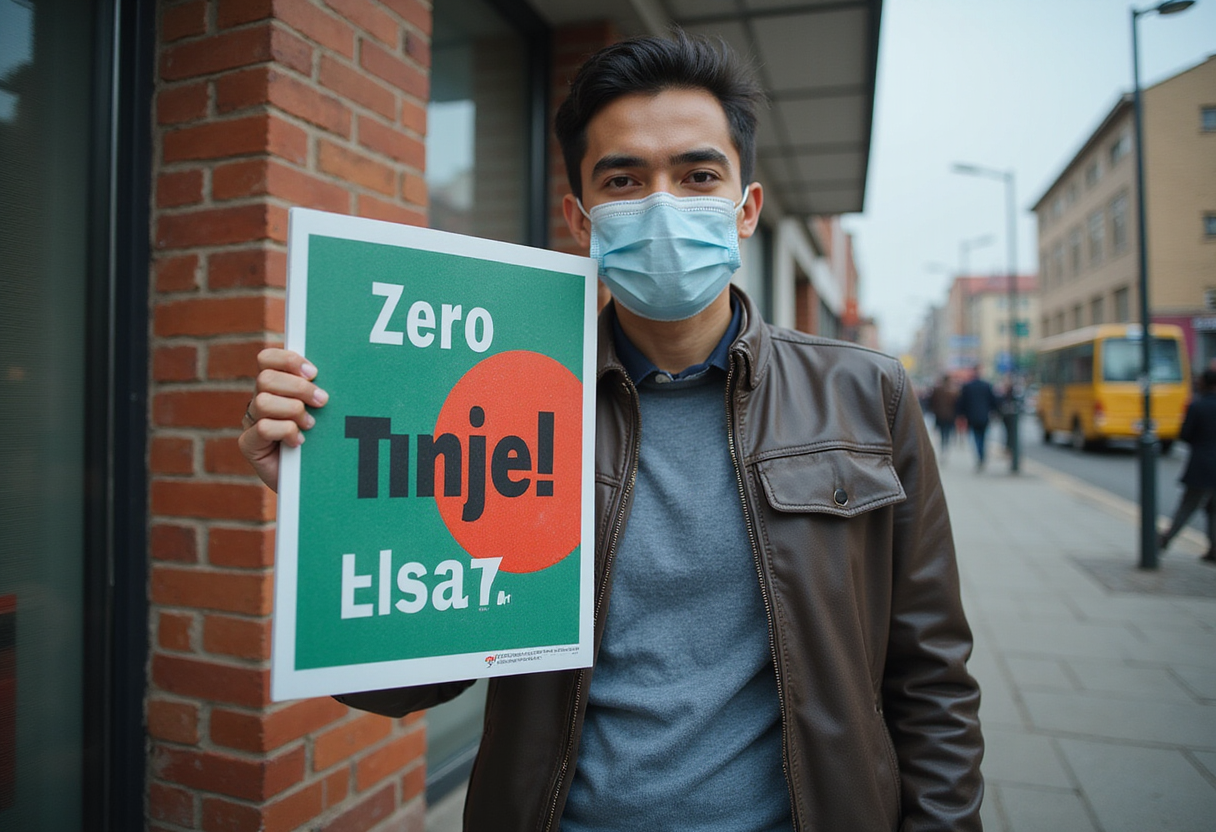
The United States and Bangladesh have agreed to remove import duties on a defined subset of textile and apparel goods, according to Modaes, the Spanish fashion-business publication that reported the bilateral arrangement.
The deal applies to "select" categories only. The full product list, the effective date, and any rules-of-origin conditions did not appear in the reporting available at the time of writing. No official text of the agreement has been published by either government, leaving the announcement to function, for now, as a market signal rather than a sourcing directive.
What the announcement actually says
The headline is narrow. "Zero-tariff" in the Modaes report covers a named subset of textile and apparel goods, not the full bilateral trade. The remaining categories of U.S. imports from Bangladesh continue under the existing duty schedule, including any country-specific or reciprocal tariffs applied to apparel. For buyers, the distinction between "select" and "all" determines whether the deal alters the landed-cost calculation or amounts to a symbolic concession.
What does this change for sourcing teams?
It depends entirely on which HTS codes fall inside the carve-out. U.S. apparel duties under the standard MFN schedule have historically run in the mid-teens by value, with cotton and man-made fibre garments sitting at different rates and certain categories — such as imports under specific preference programmes — already duty-free. A new zero-tariff treatment on covered lines would narrow the cost gap between Bangladesh and competing origins:
- Vietnam
- Cambodia
- India
- China
All four continue to face duties under either MFN or reciprocal schedules, and each has been pursuing its own preferential access to the U.S. market through bilateral and regional arrangements.
The practical question for buyers is narrow and immediate: which product lines on their existing Bangladesh programme fall inside the deal, and which remain at the old duty rate? Re-pricing, volume allocation and supplier-mix decisions cannot wait for the official text, but they also cannot proceed without it. The first points of contact are trade counsel, freight forwarders and the Bangladesh Garment Manufacturers and Exporters Association.
What remains undisclosed
The Modaes report leaves the following unresolved:
- Which HS subheadings are included or excluded
- The effective date and any phase-in window
- Whether the arrangement is reciprocal
- The yarn-forward or fabric-forward rules that typically govern U.S. preference programmes
- Any labour or environmental conditionality
Until the official text appears, the agreement sits in the announced-intent category — the same shelf as signed-but-unratified memoranda that have, in past U.S. trade episodes, taken years to translate into duty treatment at the port.
The wider frame
Bangladesh remains the world's second-largest apparel exporter by value, with the United States one of its two principal end markets. A targeted zero-tariff carve-out, even on a narrow product list, would shift competitive positioning on those lines and give Bangladeshi suppliers a measurable cost edge over regional competitors for as long as the arrangement holds. The verifiable weight of the deal will arrive with the operative text; the headline arrives now.
via Google News: Apparel & textile tariffs (Source)
More from Tom Whitfield
Show full bio
Market editor covering regulation, policy and their impact on fashion industry as a trade and business at The Fabric Brief.
211 articles
Also on the board
- US-Bangladesh Deal Brings Capped Zero Tariff for Textiles
- Bangladesh Secures Lower US Tariffs and Exemptions on Clothing
- US-Bangladesh Textile Pact: Zero Tariffs Meet Supply Chain Realities
- US Cuts Bangladesh Tariffs, Carves Out Apparel Exception: Scope Still Undefined
- Bangladesh apparel tariff cut to 19% with US-content exemption