Swatch card No. SW-7330 · cut October 2, 2026
Sustainability & ComplianceMill spec card
Weavabel Launches Closed-Loop Recycling System for Fashion Poly Bags
Weavabel's closed-loop system collects used poly bags from EU and U.K. distribution centres and reprocesses them into new bags, aiming to ease PPWR and ESPR compliance for fashion brands.
- Fiber
- Sustainability & Compliance
- Count
- 3 min read
- Cut
- Weight
- 521 words
Spec notes
- Weavabel launched a closed-loop system that recycles used fashion poly bags into new poly bags at its own production plant.
- The system consolidates baled poly bag waste by truck across the EU and U.K., processing it through sorting, shredding, polymer blending and pelletizing before film blowing.
- The offering is designed to help brands meet the EU's PPWR and Ecodesign (ESPR) regulations without building their own recycling infrastructure.
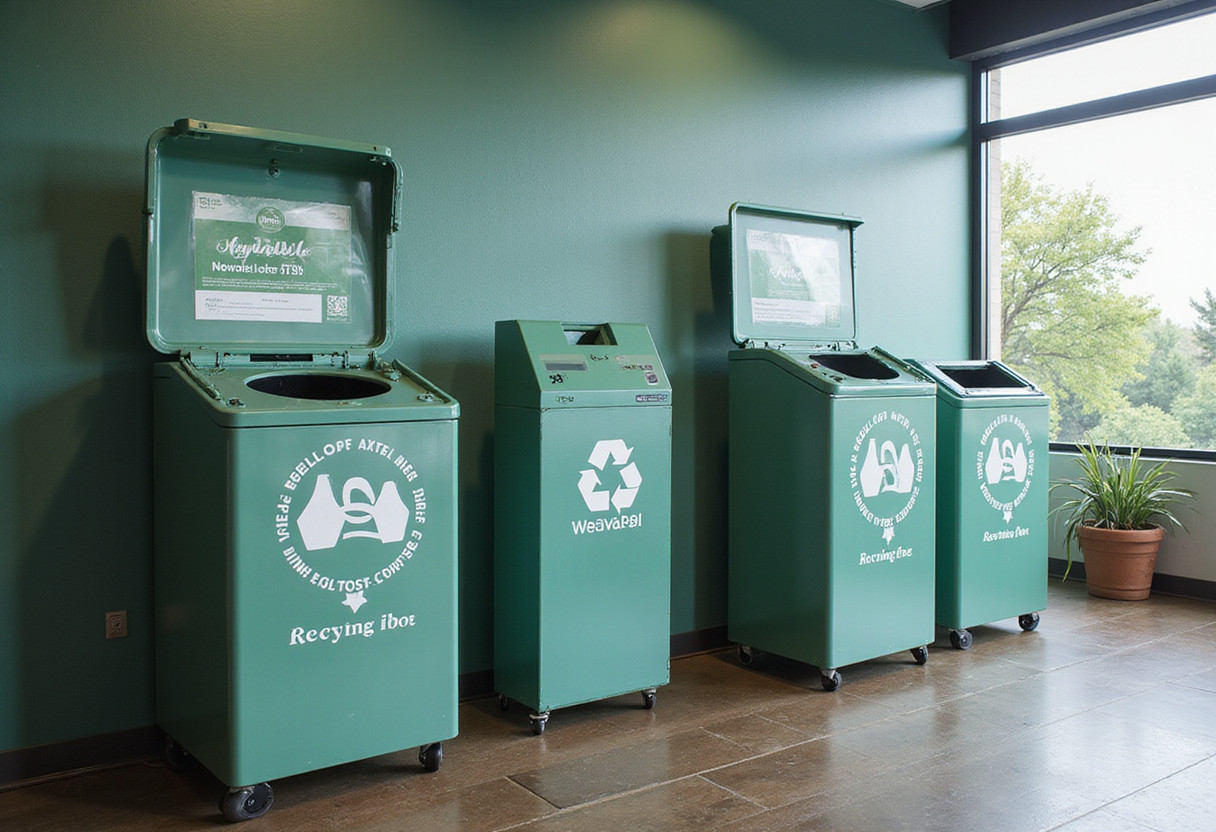
UK-based trims and packaging specialist Weavabel has launched a closed-loop recycling system that turns used garment poly bags back into new poly bags, pitching the service as a compliance answer for fashion brands facing the EU's tightening packaging rules.
The system targets one of the fashion industry's most routine waste streams: the thicker, more durable poly bags used to keep garments clean through production and distribution. Under the model, garment vendors purchase poly bags from Weavabel's warehouses, pack garments and ship inventory to distribution centres. Once garments reach stores, the brand collects the used bags and returns them to its distribution centres, where they are sorted and baled with other waste.
Weavabel then trucks the baled waste out, consolidating volumes across the EU and the U.K. The material goes through a second sort, shredding and processing before shipment to a licensed importer. From there it undergoes polymer processing and blending, is pelletized, and is film-blown at Weavabel's own production plant — where it can be extruded into new bags.
The commercial logic rests on two pressure points for sourcing and packaging teams. First, regulation: the EU's Packaging and Packaging Waste Regulation (PPWR) and the Ecodesign for Sustainable Products Regulation (ESPR) are pushing brands to demonstrate material circularity with evidence, not marketing claims. Second, infrastructure: collection systems remain fragmented across markets, which has made poly bag recycling operationally difficult for brands acting alone.
"Poly bags have always been treated as disposable, but that thinking doesn't hold up anymore," said Saqib Ihsan, who heads regulatory compliance and sustainability at Weavabel. "Regulation is moving fast, and most brands are being asked to prove circularity, not just claim it — so we built this loop to give them a real, traceable answer. It works with the way poly bags already move through warehouses, factories and distribution centres, so nothing has to change on the brand's side except where the waste ends up."
That last point matters for implementation cost. Because the loop follows existing logistics — warehouse orders, factory packing, distribution-centre consolidation — brands do not need to build their own recycling infrastructure or restructure fulfilment flows. The main operational change is at the store and distribution-centre level, where used bags must be collected and baled rather than discarded.
Weavabel said the system is fully integrated across warehouses, factories and distribution centres, distinguishing it from recycling initiatives that cover only part of the chain. The company positions the offering as a scalable route for brands to extend packaging life and cut reliance on virgin plastic.
The company has not disclosed pricing, target volumes or the recycled-content share of newly produced bags, so brands will need to probe those specifics — along with traceability documentation — when evaluating the system against PPWR and ESPR requirements.
"We're not asking brands to recycle better. We're closing the loop for them," Ihsan said.
With EU packaging rules phasing in, expect more trims and packaging suppliers to bundle take-back and reprocessing into their core offerings rather than leave brands to assemble circularity from fragmented waste streams on their own.
via Sourcing Journal (Source)
More from Rebecca Stone
Show full bio
Staff writer covering industry trends and analytics at The Fabric Brief.
161 articles
Also on the board
- Primark signs multi-year Circ offtake for recycled polyester with 2029 rollout
- Bangladesh Apparel Sector Eyes Circular Production Shift
- Yeşim Group Pairs Circular Textiles With Women's Workforce Push
- Primark signs first multi-year offtake with Circ for recycled polyester
- WRAP targets 2027 textile blueprint with Next, Primark, Tesco