Swatch card No. SW-3199 · cut October 16, 2026
Sustainability & ComplianceMill spec card
Canopy cuts Hot Button MMCF categories from seven to five for 2027
Canopy will reduce the man-made cellulosic fibre section of its Hot Button Report from seven rating categories to five, with the revised framework taking effect for the 2027 report cycle.
- Fiber
- Sustainability & Compliance
- Count
- 3 min read
- Cut
- Weight
- 629 words
Spec notes
- Rating framework reduced from 7 to 5 categories effective with the 2027 Hot Button Report
- Colour scale collapses to three shirts: green, yellow, and red
- 28 MMCF producers and select brand partners consulted on revised criteria
- Hot Button Report serves over 550 apparel brands in the CanopyStyle initiative
- Greater weighting assigned to Next Gen Solutions and landscape-level forest protection
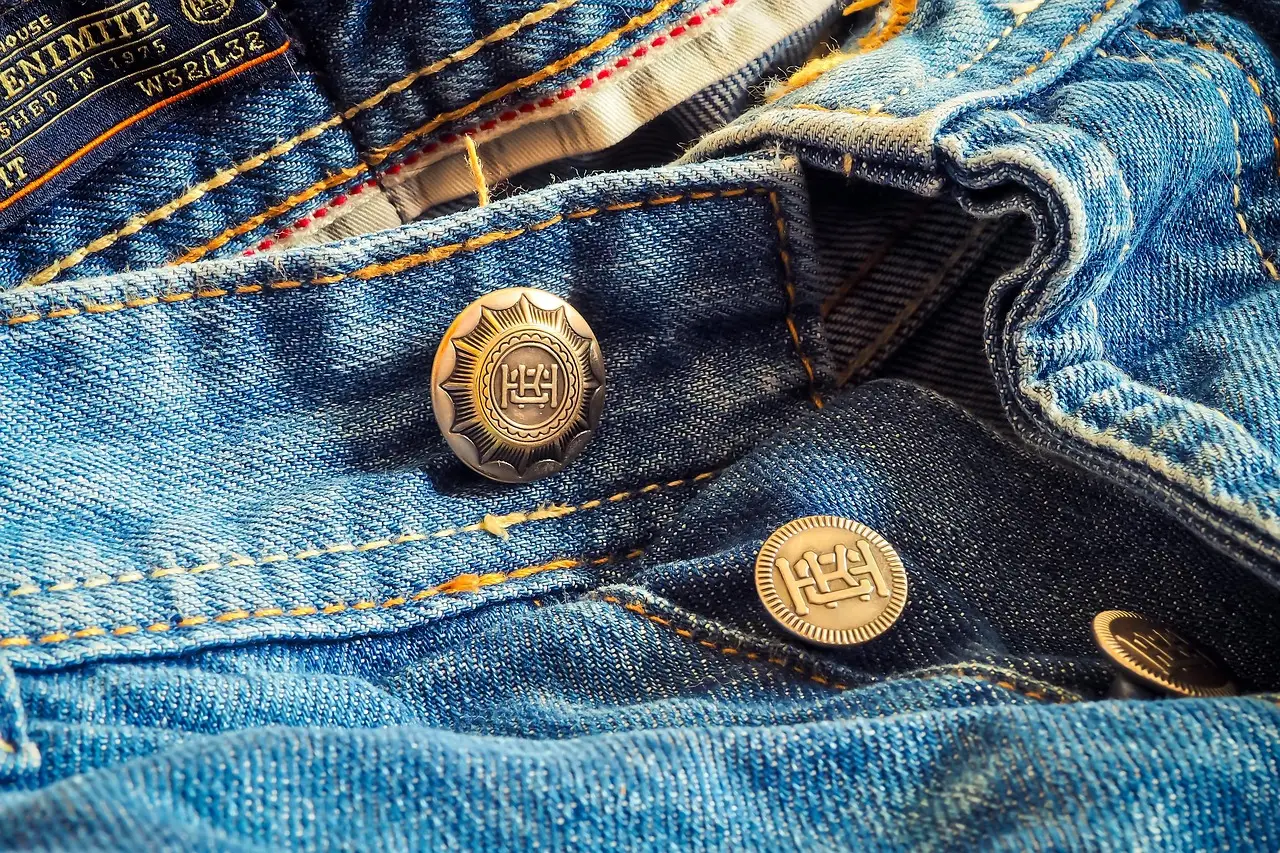
Canopy will reduce the man-made cellulosic fibre (MMCF) section of its Hot Button Report from seven rating categories to five, with the revised framework taking effect for the 2027 report cycle.
The non-profit's streamlined criteria introduce defined volume and percentage targets and collapse the existing colour scale to three shirts — green, yellow, and red — to communicate overall forest and fibre risk. Producers sourcing from known high-risk regions will receive an automatic red shirt, marking the presence of Ancient and Endangered Forests or other controversial inputs in the supply chain.
The updated framework also raises weighting for companies investing in Next Gen Solutions, including fibres produced from recycled textiles, and for participation in landscape-level forest protection programmes.
What changes for MMCF producers?
Targets now differentiate by company size — small, medium, and large — and align scoring with capacity rather than a one-size benchmark. The reduction from seven categories to five removes overlapping indicators that producers and brands have flagged as duplicative across prior cycles.
Canopy senior lead MaryAnn Ramirez said: "The Hot Button helped change the conversation about where fashion's fibres come from. Ten years ago, the industry was asking whether viscose could be sourced without destroying the world's most vital forests. Today, we have the opportunity to build a fibre system that is circular, resilient, and keeps forests standing." She added that the rating "must remain flexible enough to credit diverse pathways to impact."
The non-profit developed the revised criteria in consultation with all 28 MMCF producers covered by the rating — the entire rated cohort — and select brand partners, and submitted the framework to a legal review for compliance with international legislation on forest commodities. The Hot Button Report is the principal sourcing reference for over 550 apparel brands enrolled in the CanopyStyle initiative, putting the producer-to-brand ratio at roughly one rated mill for every twenty enrolled brands.
What does the red-shirt trigger mean for sourcing teams?
Automatic red designation for high-risk fibre origin removes the interpretive buffer that sat inside the previous multi-colour scale. For procurement staff, that change converts a judgement call into a binary compliance signal that can be fed directly into vendor approval workflows, compressing evaluation cycles while raising the stakes for any MMCF supplier whose fibre traces to a listed forest region.
For buyers, the heavier weighting on Next Gen Solutions introduces a procurement pathway toward recycled-content and alternative-fibre sourcing. That alignment tracks the recycled-material commitments many of the 550 enrolled brands already publish in sustainability disclosures, potentially reducing the documentation burden for vendors carrying dual certifications.
A tighter colour palette also lowers the cost of internal reporting. Procurement teams that previously mapped multi-colour results to internal risk tiers can replace those manual conversions with a three-tier classification, freeing analyst time for fibre-trace audits rather than colour-to-score translation.
What remains unresolved?
Canopy has not yet published the specific volume thresholds, percentage targets, or the list of jurisdictions that will trigger the automatic red shirt under the 2027 framework. Producers and brand sourcing teams have roughly three rating cycles between the announcement and full implementation to adjust fibre sourcing contracts and capital plans.
The legal review covered alignment with international forest-commodity legislation, though Canopy has not disclosed the underlying statutes the new criteria reference. Producers operating across multiple regulatory regimes will need to map the revised Hot Button outputs against their own due-diligence filings to confirm overlap.
The open language on "diverse pathways to impact" leaves room for further guidance on which alternative-fibre investments will count toward a green shirt when the new system takes effect, and whether recycled-fibre procurement from outside the MMCF category will qualify for bonus weighting.
via Just Style (Source)
More from Elena Vasquez
Show full bio
News editor covering money, funding and market shifts around fashion industry as a trade and business at The Fabric Brief.
234 articles
Also on the board
- TNC Launches Apparel Alliance to Tackle Microfibre Pollution
- Fibre2Fashion Spotlights Functional, Bio-Based Textile Innovation
- EU Green Rules Raise Compliance Stakes for Bamboo Apparel
- Nike, Patagonia, Lululemon Join New Alliance on Microfibre Pollution
- Lenzing Expands TENCEL Lyocell HV100 Mill Network to 11 Partners