Swatch card No. SW-8334 · cut October 16, 2026
Sustainability & ComplianceMill spec card
RSWM Cuts Scope 1 Emissions 40.5% as Net Zero Bid Gathers Pace
RSWM cut Scope 1 emissions 40.5% year-on-year to 115,640 tCO₂e in FY2025–26, with combined Scope 1 and 2 down 21.27% to 415,230 tCO₂e.
- Fiber
- Sustainability & Compliance
- Count
- 3 min read
- Cut
- Weight
- 529 words
Spec notes
- RSWM cut Scope 1 emissions 40.5% year-on-year to 115,640 tCO₂e in FY2025–26.
- Combined Scope 1 and 2 emissions fell 21.27% to 415,230 tCO₂e.
- Total energy consumption also declined, per the company's Sustainability Report.
- The company targets net zero by 2050.
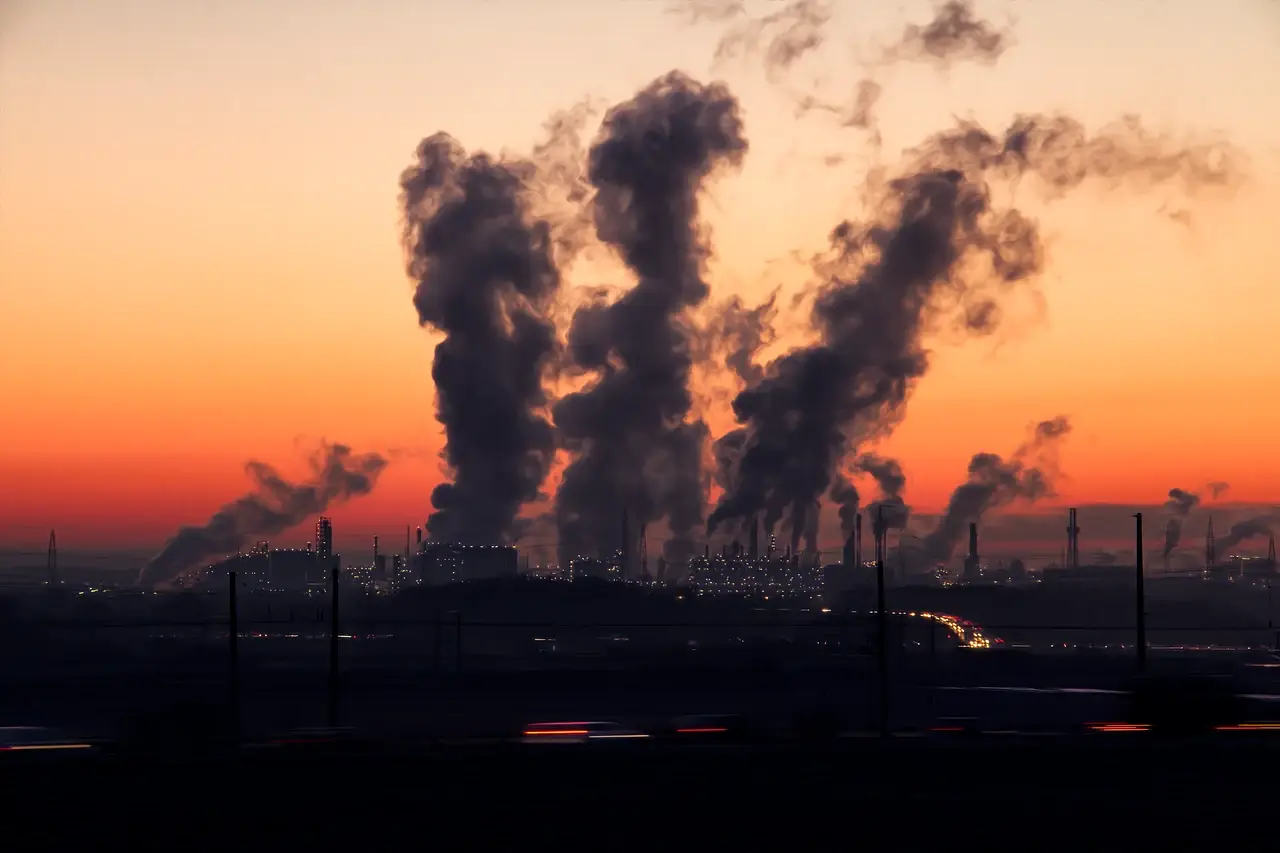
RSWM Limited, the flagship textile company of India's LNJ Bhilwara Group, cut its Scope 1 greenhouse gas emissions by 40.5% year-on-year in FY2025–26, bringing direct emissions down to 115,640 tonnes of carbon dioxide equivalent (tCO₂e), according to its latest Sustainability Report.
The reduction is the sharpest single-year movement the company has disclosed. Combined Scope 1 and Scope 2 emissions fell 21.27% over the same period, to 415,230 tCO₂e. The report also shows total energy consumption declined, though the headline figures on energy were not fully detailed in the released excerpt.
The numbers position RSWM against a 2050 net zero target, a commitment that now has measurable interim evidence behind it rather than aspiration alone.
What does this change for buyers?
For brands sourcing yarn and fabric from India's largest spinning conglomerates, the disclosure matters on two fronts. First, verified emissions data of this granularity feeds directly into corporate Scope 3 accounting, where supplier-level figures are often the weakest link in a brand's own reporting chain. A vendor that reports 115,640 tCO₂e of Scope 1 with a year-on-year trajectory gives sourcing teams something concrete to plug into product-level carbon calculations.
Second, a 40.5% cut in direct emissions in one year suggests material changes in operations — fuel switching, process efficiency, or renewable integration at the factory level. Buyers audit sustainability reports; they also audit whether the mills behind them can hold delivery schedules while those changes are made. The report does not specify which levers produced the reduction, a gap that diligence teams will want closed.
Confirmed results, stated intentions
It is worth separating the two categories in the announcement:
- Measured result: Scope 1 down 40.5% to 115,640 tCO₂e in FY2025–26.
- Measured result: Combined Scope 1 and 2 down 21.27% to 415,230 tCO₂e.
- Stated intention: Net zero by 2050.
The first two are results a buyer can interrogate. The third is a 24-year commitment that will be tested by roughly two dozen further annual reports before it lands. At the current pace of improvement, the arithmetic is not implausible — but a single strong year is a data point, not a trend.
The compliance clock
The timing is not incidental. Indian textile exporters face tightening carbon reporting expectations from European customers, where the Corporate Sustainability Reporting Directive extends due diligence obligations deep into supplier bases. A mill that arrives at the negotiation with a Sustainability Report showing a 21.27% combined emissions decline holds a stronger hand than one that arrives with a pledge.
RSWM, as the LNJ Bhilwara Group's flagship, carries particular weight: its volumes are large enough that its emissions profile influences the aggregate footprint of every European and American brand on its client list.
What the report leaves unanswered is cost. Emissions reductions of this scale require capital expenditure, and the disclosure does not state who has absorbed it or whether it will surface in pricing. Buyers will ask; the next report should answer.
For now, RSWM has moved from the pledges column to the results column, and the industry's carbon accountants will notice.
via Apparel Resources (Source)
More from Tom Whitfield
Show full bio
Market editor covering regulation, policy and their impact on fashion industry as a trade and business at The Fabric Brief.
235 articles
Also on the board
- Apparel Sector Falling Short on Decarbonization Pace, Report Finds
- Apparel Institute Report Spotlights Working Supply-Chain Decarbonisation
- Climate Performance Moves From Cost Item to Competitive Edge in Apparel
- Fashion Scope 3 Emissions Rose 7.5% in a Year, EY-H&M Paper Argues
- H&M and EY Press CFOs to Bankroll Fashion Supply Chain Decarbonisation