Swatch card No. SW-8334 · cut October 15, 2026
Trade & TariffsMill spec card
Tariffs Are Reshaping Retail Prices and Assortment, Fibre2Fashion Reports
Tariffs are moving both retail prices and store assortment, Fibre2Fashion reports — a dual effect that widens the sourcing decision set beyond price pass-through.
- Fiber
- Trade & Tariffs
- Count
- 2 min read
- Cut
- Weight
- 331 words
Spec notes
- Fibre2Fashion reports tariffs are changing both retail prices and product availability in stores.
- The coverage is a summary piece with no specific duty rates, categories, or named suppliers attached.
- The dual effect implies assortment rationalisation and vendor shifts as likely sourcing responses.
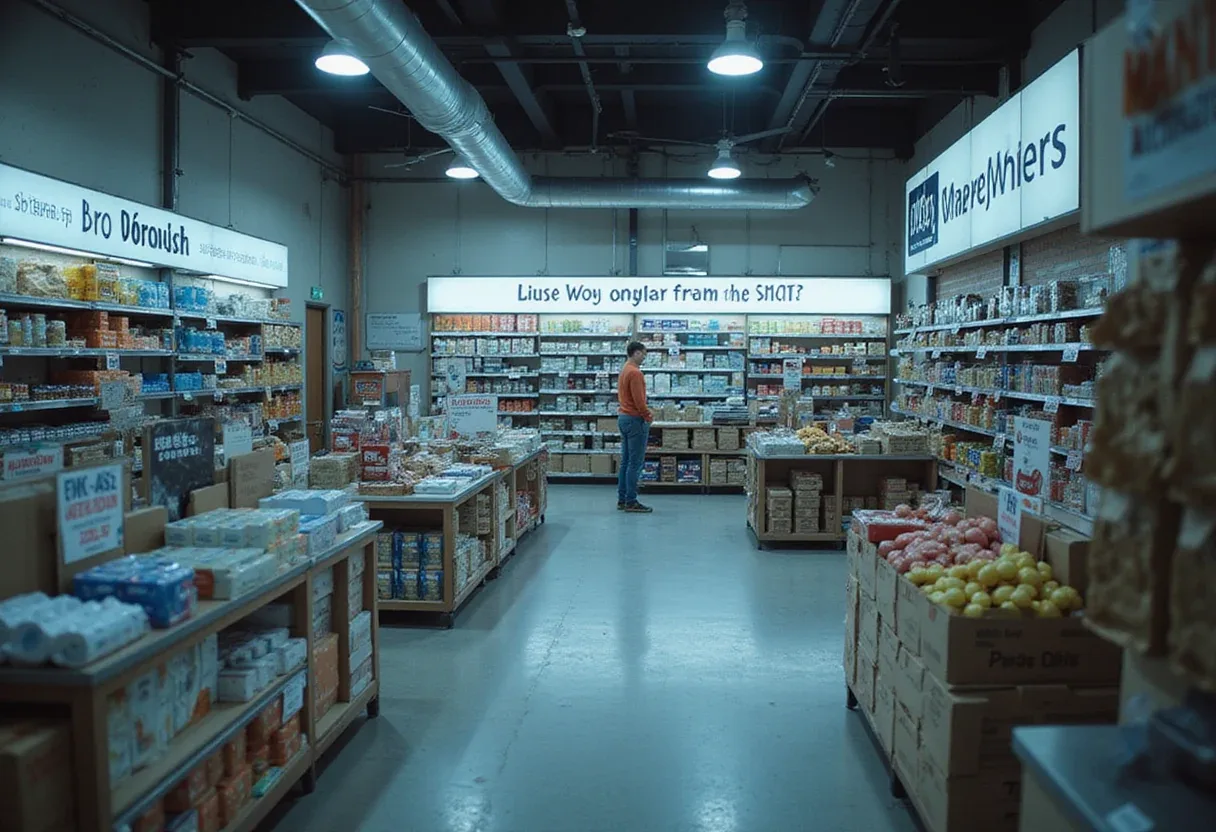
Tariff policy is now changing two things at once for apparel and retail: what shoppers pay, and what they find in stores. That is the core finding flagged by Fibre2Fashion in its latest coverage of the trade measures now working through the supply chain.
The headline claim deserves attention precisely because it bundles two effects. The first — price pass-through — is familiar territory for sourcing teams. The second — assortment effects, meaning absent or substituted product on the shelf — is the more operationally interesting half. When duties push a category's landed cost past a viable retail price point, buyers do not simply pay more. They cut the style, drop the vendor, or move the order.
What does this change for sourcing desks?
If tariffs are altering in-store availability and not only cost, then the decision set widens. The standard responses remain:
- vendor and country-of-origin shifts to lower-tariff lanes;
- renegotiated price matrices with existing suppliers;
- assortment rationalisation, dropping marginal styles rather than absorbing duty.
Each carries its own cost. Country shifts add lead time and requalification work. Price renegotiations squeeze vendor margins already thin from freight volatility. Assortment cuts protect margin but concede shelf share.
The report itself is a summary piece rather than a primary data release, and the headline does not attach specific duty rates, categories, or timelines. Readers should treat it as a directional signal, not a measured result. No factory volumes, order figures, or named brand moves appear in the coverage as distributed.
That absence matters. Trade-press aggregation of tariff effects is plentiful; capacity-level confirmation — which suppliers lost orders, at what volumes, in which categories — remains scarce. The gap between the two is where sourcing professionals should focus their interrogation.
For now, the working assumption for planning cycles is straightforward: duty cost is arriving at retail, and it is also arriving as absence. Expect the second effect to show up in assortment reviews before it shows up in anyone's tariff table.
via Google News: Apparel & textile tariffs (Source)
More from Tom Whitfield
Show full bio
Market editor covering regulation, policy and their impact on fashion industry as a trade and business at The Fabric Brief.
225 articles
Also on the board
- Tariff Shifts Are Re-Routing Global Textile Trade Flows
- Tariffs Exposed the Limits of Apparel Sourcing, Not Its Rewiring
- US Tariff Update Keeps Pressure on Apparel, Cotton Sourcing Costs
- Tariffs Push Sourcing Shifts, But Fashion Sector Holds Course
- Rising Tariffs Push Footwear Margins to a Tipping Point