Swatch card No. SW-6055 · cut October 13, 2026
Wholesale & Trade ShowsMill spec card
Textile Innovation Expo 2026 to Showcase Bangladesh's Move Up the Value Chain
Textile Innovation Expo 2026 will spotlight Bangladesh's push into higher-value manufacturing, but buyers will judge the claim on capacity and orders, not booth banners.
- Fiber
- Wholesale & Trade Shows
- Count
- 3 min read
- Cut
- Weight
- 517 words
Spec notes
- Textile Innovation Expo 2026 will spotlight Bangladesh's shift to higher-value manufacturing
- The event positions Bangladesh's garment sector beyond basic cut-and-make production
- No exhibitor counts, order figures or investment commitments were disclosed in the announcement
- The expo targets buyers seeking technical textiles and design-led production capability in Bangladesh
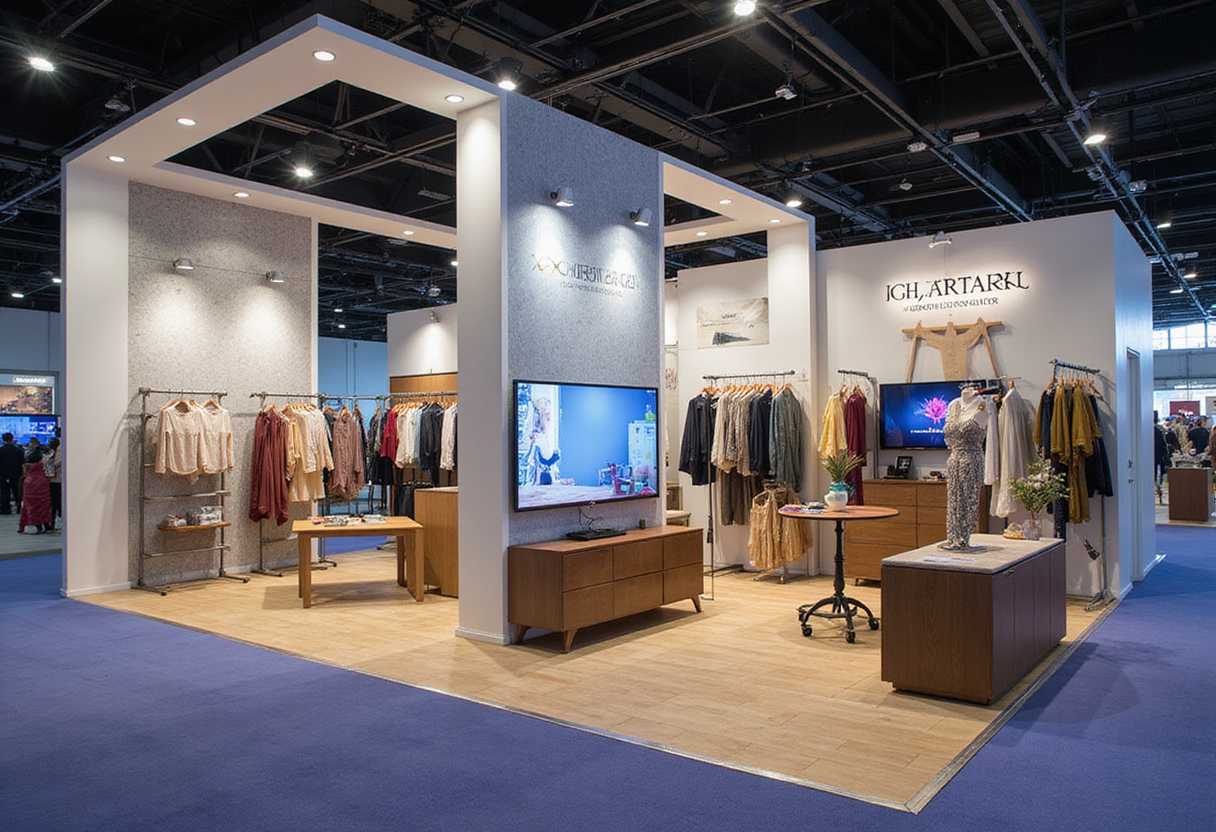
Bangladesh's textile sector will take its upgrade pitch public next year, with the Textile Innovation Expo 2026 set to spotlight the country's shift toward higher-value manufacturing. The announcement, reported by The Business Standard, signals an industry eager to reposition itself beyond low-cost cut-and-make (the basic assembly model where factories sew from imported fabric and patterns) contracts.
The expo lands at a consequential moment. Bangladesh's ready-made garment sector has spent a decade absorbing compliance costs, wage increases and buyer pressure on lead times. Value-chain elevation — moving into technical textiles, functional fabrics and design-led production — is the industry's standard answer to margin compression. Trade fairs are where that answer gets tested against actual buyer orders.
What does the expo signal for sourcing?
An innovation-focused event in Dhaka serves two commercial functions. First, it gives local mills and manufacturers a venue to display capability upgrades to international buyers without flying to Frankfurt or Shanghai. Second, it marks intent: a sector announcing it wants a different mix of work.
Buyers should treat that intent as data, not proof. Trade-show positioning is a marketing claim until capacity, certifications and product samples are audited on the ground. Bangladesh has announced modernization pushes before; execution has varied by factory group.
Who benefits, and who pays?
Higher-value manufacturing requires capital expenditure — dyeing equipment, testing labs, R&D staff. The expo itself does not fund any of that. It creates a marketplace for it.
For brands sourcing in Bangladesh, a genuine shift up the value chain could mean:
- Shorter lead times on technical and functional products, with fewer intermediate vendors
- A broader domestic supply base for fabric and trims, reducing import dependence
- New negotiation leverage on price, ifBangladesh competes with Vietnam and Turkey rather than only on cost
Each of those outcomes depends on investments the expo announcement does not quantify. No order figures, exhibitor counts or floor-space commitments have been disclosed in the announcement reported so far.
The credibility question
Sourcing executives will want specifics before adjusting allocation. Which factory groups are exhibiting? Are they showing certified technical textiles or rebranded basics? Does the exhibitor list include composite manufacturers with vertical integration (fabric-to-garment production under one roof), or only garment assemblers with upgraded brochures?
Those questions matter because Bangladesh's competitors are not standing still. Vietnam has captured technical outerwear programs; Turkey markets speed and proximity to Europe; India pushes its own textile-innovation agenda. A single expo will not move share. A pattern of confirmed high-value orders might.
What to watch
The proof points will come after the doors open: buyer attendance from major European and US brands, signed agreements announced on-site, and follow-through on any product launches. Until then, the expo is an intention, and intentions in this sector have a mixed record.
If the 2026 edition produces measurable commitments — joint ventures, technology-transfer deals, or high-value order announcements with named buyers — it would mark a genuine inflection in how Bangladesh's largest export industry presents itself to the global sourcing community.
via Google News: Textile innovation & smart textiles (Source)
More from Priya Raman
Show full bio
Correspondent covering people, launches and day-to-day practice in fashion industry as a trade and business at The Fabric Brief.
180 articles
Also on the board
- Textile Innovation Expo 2026 to spotlight Bangladesh's value shift
- Textile Innovation Exchange Targets Bangladesh Textile, Apparel Acceleration
- Bangladesh Apparel Faces a Shifting Fabric Equation
- Textile Today urges innovation ecosystem build-out for Bangladesh apparel
- BKMEA, TIE Host Seminar Pitching Innovation as Bangladesh Knitwear Margin Lever