Swatch card No. SW-7441 · cut October 18, 2026
Trade & TariffsMill spec card
Trump Tariffs Hit Lesotho Apparel Sector, Thousands Lose Work
Trump's reciprocal tariffs have cost thousands of women their livelihoods in Lesotho's textile industry, disrupting one of sub-Saharan Africa's largest US-bound garment-export complexes built on AGOA preference.
- Fiber
- Trade & Tariffs
- Count
- 3 min read
- Cut
- Weight
- 604 words
Spec notes
- Trump administration reciprocal tariffs have cost thousands of women their livelihoods in Lesotho's textile industry (Peoples Dispatch).
- Lesotho is one of sub-Saharan Africa's largest US-bound garment-export economies, built on duty-free AGOA preference.
- Women hold the clear majority of sewing, cutting and finishing positions in Lesotho's apparel production workforce.
- Industry accounts cite order cancellations, factory working-day reductions and unpaid leave across multiple Lesotho factories.
- No explicit textile carve-out has been confirmed in the new US tariff schedule as applied to Lesotho-origin apparel.
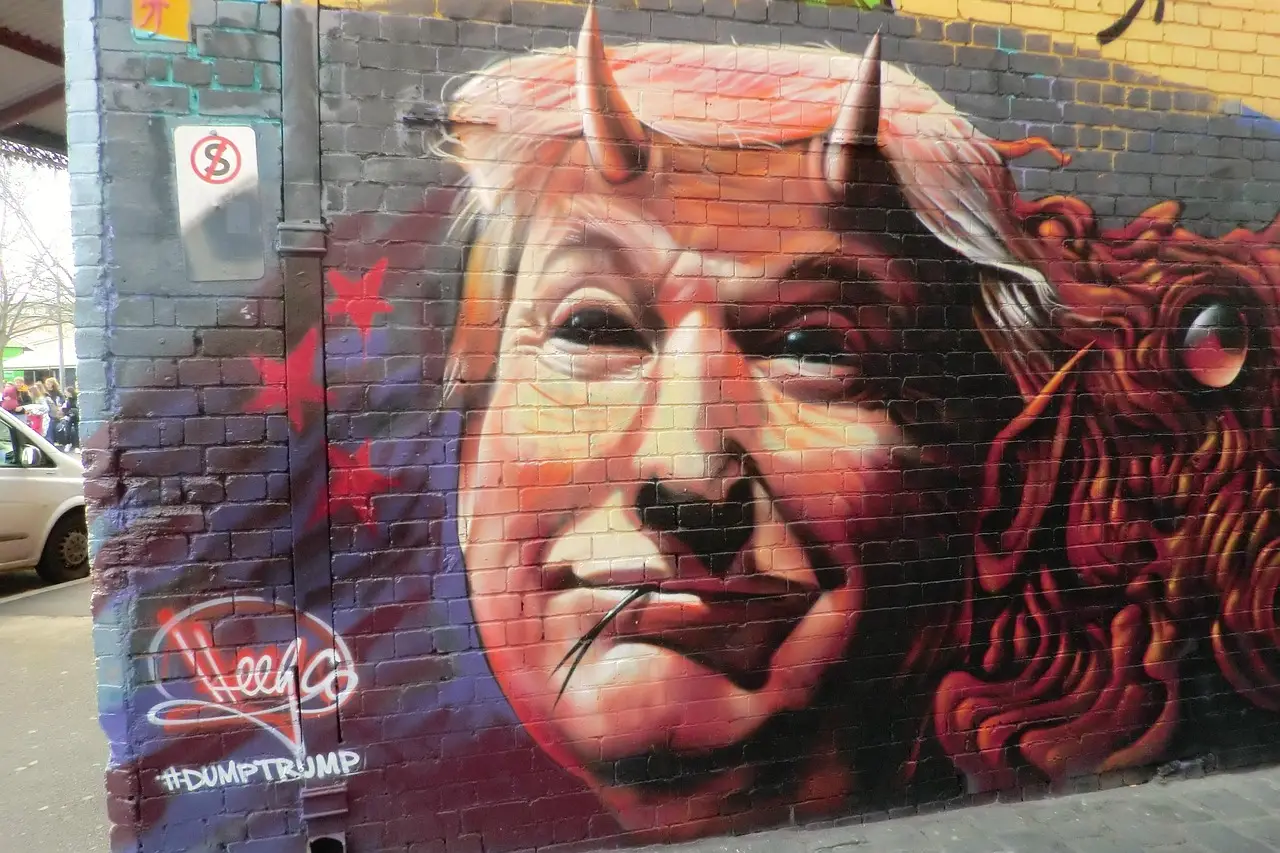
Thousands of women employed in Lesotho's textile industry have lost their livelihoods since the Trump administration rolled out its reciprocal tariff regime, according to reporting by Peoples Dispatch that frames the duties as an industry-level shock with few precedents in the AGOA era.
Lesotho's apparel sector has long served as a textbook case of preference-driven industrial development. The kingdom, population roughly 2.3 million, built one of sub-Saharan Africa's largest US-bound garment-export complexes over two decades, anchored by duty-free access under the African Growth and Opportunity Act and a workforce in which women hold the clear majority of sewing, cutting and finishing positions.
The new tariff schedule has altered that calculation abruptly.
What does the ruling change for sourcing managers?
The practical question facing US apparel buyers is straightforward: does Lesotho remain a commercially viable origin at current duty rates. On present evidence, the answer is no, at least not for the basic knitwear, denim and woven categories that form the bulk of cross-border shipments to the United States.
The reciprocal duties imposed on Lesotho-origin apparel stack on top of existing cost structures that already include transatlantic freight, longer lead times than South-East Asian alternatives and a narrow supplier base concentrated around Maseru. Industry accounts cited in the source describe order cancellations, factory working-day reductions and unpaid leave affecting large segments of the workforce.
For sourcing teams that built long-cycle supplier relationships around AGOA preference, the disruption forces immediate recalculation. Existing purchase orders must be honoured, renegotiated or cancelled. Supplier financing terms, originally structured around predictable duty-free clearance, no longer hold. Compliance teams must determine whether any residual preference treatment survives the new tariff architecture.
The cost arithmetic is unforgiving. A substantial duty addition on a category that already runs on single-digit factory margins leaves no room for absorption anywhere in the chain.
Who absorbs the cost first?
Factories absorb it first. Workers absorb it next. Buyers absorb it last.
Lesotho's apparel factories operate with limited cushion. Wage bills, yarn and fabric supplier payments and basic overhead have historically been the first items deferred when US order books contract. The source report indicates that sequence has begun, with several factories issuing working days or suspending shifts while buyers reassess order commitments.
Women, who form the clear majority of the production workforce, take the disproportionate share of job losses because shift reductions and line idlings eliminate sewing, cutting and finishing positions before management or administrative roles. The headline number of "thousands" therefore reflects a structural pattern, not a marginal adjustment.
What should buyers watch?
Three signals will tell sourcing professionals whether the disruption stabilises or deepens over the coming quarters. First, any explicit textile or apparel carve-out in the next tariff modification cycle, which would partially restore duty-free treatment for qualifying African exports.
Second, brand-funded mitigation programmes that underwrite existing purchase orders to keep supplier payrolls intact through the transition. Such programmes have appeared in past preference-shock episodes in other origins.
Third, evidence of order migration to alternative sourcing destinations, which would confirm that Lesotho's competitive position has shifted structurally rather than temporarily. Watch the Caribbean basin, Mexico and selected South-East Asian origins for redirected volume.
Without one of those signals, the headline figure of "thousands" is more likely to read "tens of thousands" before year-end. The next quarterly tariff modification window will determine whether the Lesotho garment sector, built over twenty years of preference-driven investment, retains its US market access or fades into a cautionary tale of preference withdrawal.
via Google News: Apparel & textile tariffs (Source)
More from Tom Whitfield
Show full bio
Market editor covering regulation, policy and their impact on fashion industry as a trade and business at The Fabric Brief.
248 articles
Also on the board
- Lesotho's garment workers carry the weight of Trump's tariffs
- Lesotho Textile Closures Continue Despite US Tariff Reduction
- AGOA Uncertainty Is Draining Orders From Africa's Garment Sector
- Haitian Garment Sector Faces New Tariff Pressure From US Trade Policy
- African Textiles Face Buyer Squeeze as AGOA Future Darkens